Malani Font: A Handwritten Typeface for Editorial Design
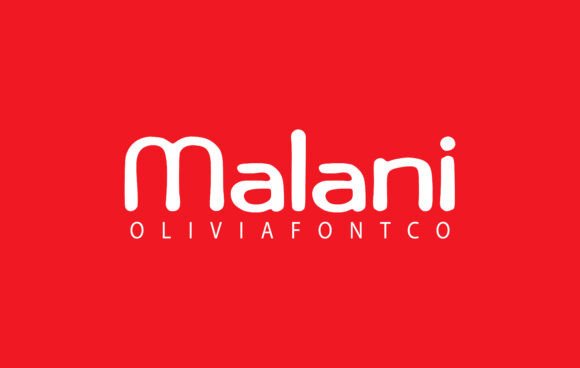
If you have ever struggled to find a handwritten font that feels both authentic and refined enough for professional publishing, Malani might be the typeface you have been looking for. Designed with a romantic touch and a natural hand-drawn quality, Malani brings warmth and personality to editorial layouts without sacrificing readability or structure. Whether you are designing a lifestyle blog, a recipe ebook, a digital magazine, or a coaching workbook, this script font can help you create a visual identity that feels personal and intentional.
Malani belongs to the Script Amp category of fonts, which means it carries the expressive energy of handwriting while offering enough polish to work in commercial publishing contexts. Its letterforms flow with gentle rhythm, and the overall impression is one of elegance and approachability. For content creators who want their work to feel human and inviting, Malani is a strong candidate for headers, titles, and accent typography that draws readers in without overwhelming them.
The Visual Character and Editorial Appeal of Malani
Malani is a handwritten font with a romantic touch, but it avoids the overly ornate or fussy quality that can make some script fonts difficult to read in longer settings. The strokes are smooth and the letter spacing feels natural, as if written with a deliberate hand. This balance makes Malani suitable for editorial design where you want to convey warmth, sincerity, or a touch of elegance. It works especially well in content that centers on relationships, lifestyle, creativity, or personal growth.
From a designer perspective, Malani has the kind of visual personality that can define a brand identity for a publication. When used consistently on covers, section headers, and pull quotes, it establishes a recognizable look that readers associate with a particular tone or mood. If your newsletter or magazine aims to feel conversational and thoughtful, Malani can reinforce that voice through typography alone. It is a premium font in the sense that it brings a bespoke quality to your layouts, as if each headline was hand-lettered specifically for your project.
Using Malani in Blog Headers and Magazine Covers
One of the most effective uses of Malani in editorial design is for blog headers and magazine covers. Because it is a display font, it performs best when used at larger sizes where its graceful curves and authentic handwriting feel can be appreciated. For a lifestyle blog, imagine placing Malani in the site header or on the featured image title card. The font immediately signals a personal, relatable brand rather than a corporate or generic one.
For magazine covers, Malani can be used for the main headline or for a featured article title that needs to stand out. Pair it with a clean layout and plenty of white space, and the font becomes the visual anchor of the cover. It also works well for accent typography such as the magazine name or a tagline. Because Malani has a romantic touch, it suits covers for publications focused on weddings, home design, creative living, or personal storytelling.
Pull Quotes, Chapter Openers, and Section Headings
Inside an editorial layout, Malani shines when used selectively for pull quotes and chapter openers. In a digital magazine or ebook, a pull quote set in Malani can break up long stretches of body text and give readers a visual pause. The handwritten quality makes the quote feel like a personal note from the writer, which can increase reader engagement and emotional connection.
For chapter openers in an ebook or printed guide, Malani works well for the chapter title while a clean serif font handles the body text. This creates a clear visual hierarchy that guides readers through the content. Section headings within a chapter can also be set in Malani, especially if the publication has a warm, approachable tone. Just be careful to use it sparingly. Because Malani is a script font with decorative elements, it is most effective when reserved for high-impact moments in the layout.
Ebook Titles, Newsletter Graphics, and Printable Guides
If you create ebooks, Malani is an excellent choice for the cover title and for section dividers inside the book. For a recipe ebook, the title set in Malani feels homemade and inviting, which matches the content perfectly. Similarly, for a wedding planning guide or a personal development workbook, Malani adds a romantic and thoughtful touch that aligns with the subject matter.
Newsletter graphics also benefit from Malani. When you create header images or quote cards for your email list, using Malani helps your newsletter feel consistent with your broader brand identity. Subscribers will come to recognize the font as part of your visual voice. For printable guides, worksheets, and lead magnets, Malani can be used for titles and key prompts, while a clean sans serif font handles instructions and body text. This combination keeps the design feeling organized but still warm and approachable.
Font Pairing Recommendations for Editorial Use
Because Malani is a script font with a strong personality, it pairs best with simple, readable body fonts. For editorial projects, consider pairing Malani with a classic serif font for body copy. A serif font like Georgia, Lora, or Playfair Display offers contrast to Malani's handwritten curves while maintaining readability for longer articles. The serif font adds a sense of tradition and trustworthiness, while Malani brings the emotional warmth.
Alternatively, you can pair Malani with a clean sans serif font for a more modern, minimal look. Fonts like Open Sans, Lato, or Montserrat work well for captions, bylines, navigation text, and secondary information. The sans serif font keeps the layout crisp and uncluttered, allowing Malani to take center stage on titles and headers. For social media graphics or quote cards, you might use Malani for the quoted text and a simple sans serif for the attribution line.
Readability Across Screen, PDF, and Print
When using Malani in editorial projects, it is important to consider readability across different media. As a handwritten display font, Malani is not intended for long body text. It works best at sizes of 18 points or larger, depending on the layout and medium. For screen reading, test Malani at various sizes to ensure that the letterforms remain clear, especially on mobile devices where small script fonts can become difficult to read.
For PDF exports and ebooks, Malani holds up well when used for titles and accent elements. Because it is a premium font with well-crafted letterforms, it renders cleanly in high-resolution formats. For print materials like magazines, planners, and printable guides, Malani prints beautifully when used at appropriate sizes. Always check that you have the correct font file format for your output, whether that is OpenType for print or web font for digital use.
Included Styles, Alternates, and Multilingual Support
Before committing Malani to a publication project, it is wise to check what styles and alternate characters are included in the font package. Many handwritten fonts come with ligatures and stylistic alternates that can add variety to your layouts and prevent the font from looking repetitive. If Malani includes alternate glyphs for certain letter combinations, you can use them to create a more natural handwritten look in your headers and quotes.
Multilingual support is another practical consideration. If your publication serves an international audience or includes text in multiple languages, verify that Malani covers the necessary characters. A font with broad language support saves time and ensures consistency across different editions of your content.
Commercial Licensing for Publications and Digital Products
One of the most important practical aspects of using Malani in your editorial work is understanding the commercial licensing terms. If you are creating ebooks, templates, printables, paid newsletters, client publications, or digital downloads, you need a license that covers commercial use. Many premium fonts offer standard desktop licensing for print and static images, while web licensing is required for website use and app embedding.
For content creators who sell digital products such as planners, worksheets, or social media templates, check whether the license allows for embedding in digital files that will be distributed to customers. Some font licenses require an extended license for products that will be sold. Always read the terms carefully before publishing to avoid legal issues down the road. Investing in proper licensing ensures that you can build your brand identity around Malani without restrictions.
Practical Examples for Your Editorial Work
Let me offer a few concrete scenarios where Malani can elevate your projects. For a lifestyle blogger creating a free downloadable style guide, use Malani for the guide title on the cover and for section headers inside. Pair it with a simple serif font for the body text, and include a few pull quotes set in Malani to break up the content. The result is a guide that feels personal and curated rather than generic.
For a digital magazine focused on home design, use Malani on the cover for the main headline and on the table of contents page for section titles. Inside articles, use Malani sparingly for pull quotes and for callout boxes that highlight key ideas. This creates a cohesive visual language throughout the publication.
For a wedding planning workbook, Malani is a natural fit. Use it for the workbook title, for each chapter opener, and for prompts that ask the user to write or reflect. The romantic touch of the font supports the emotional nature of the content, while the readability of the layout keeps the workbook practical and easy to use.
For a creator newsletter, set your newsletter header image in Malani and use it for the main headline in each edition. Over time, your subscribers will associate the font with your voice, building a stronger brand identity. Even simple quote graphics for social media can benefit from Malani when paired with a clean background and minimal text.
Malani is more than just a pretty script font. It is a practical tool for editorial designers and content creators who want their work to feel human, warm, and intentional. By using it thoughtfully in headers, covers, quotes, and accent elements, you can create publications that stand out in a crowded digital landscape. Whether you are publishing a blog, an ebook, a magazine, or a printable guide, Malani offers the visual personality to make your content memorable.